
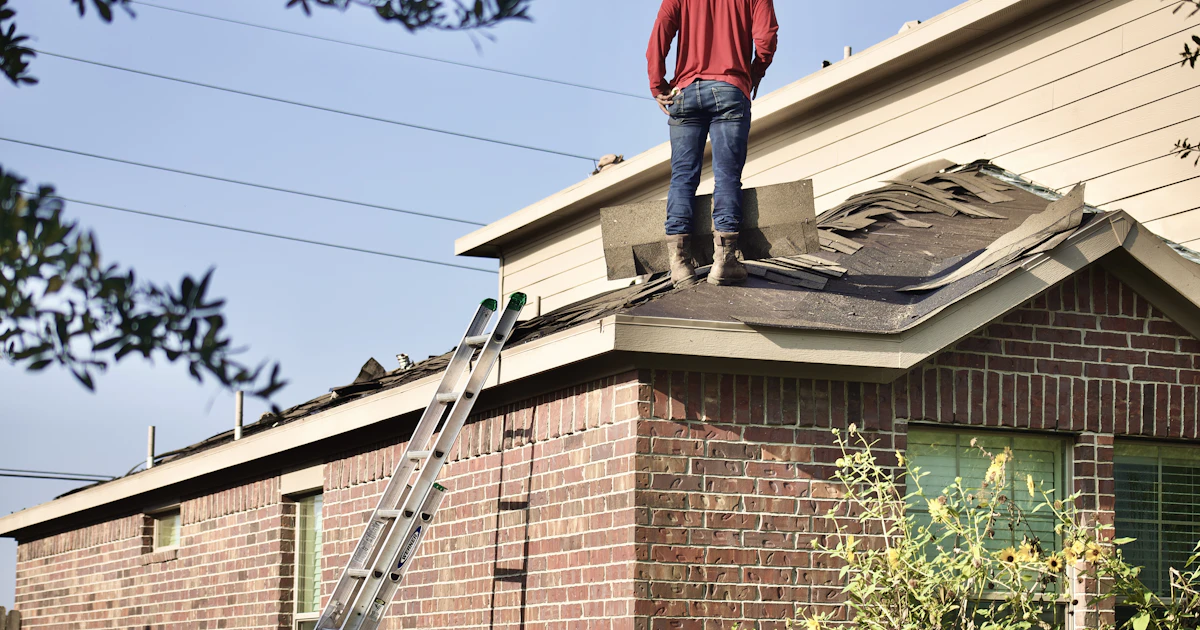
The week after a hailstorm is the busiest and leakiest week a roofing company has. Phones ring while crews are on roofs. Web forms stack up overnight. By the time someone sits down to call back, a homeowner has already let another contractor on the ladder.
You can't add hours to storm week. You can decide in advance what happens to every lead in the first 72 hours, so nothing depends on someone remembering.
Hour 0: answer or text back within minutes
Every storm lead gets a response before it gets a chance to shop. If a call goes unanswered, an automatic text goes out right away: who you are, that you saw the call, and a link to book an inspection. Web and ad leads get the same text plus an email.
The goal isn't to close anyone in that message. It's to be the first company that replied.
Hours 1–4: book the inspection, not a callback
A callback is a second chance to lose the lead. Send a booking link to your inspection calendar instead, with open slots for the next three days. A homeowner who picks a time has made a decision. One who waits for a call hasn't.
Keep the calendar honest. If crews can only inspect 12 roofs a day, cap the slots at 12.
Day 1: qualify while you wait
Before the inspection, ask three questions by text:
- Has your insurance company been contacted yet?
- Is there active leaking inside the house?
- Is this your home, or a property you manage?
Active leaks jump the queue. Insurance-claim jobs go into a claim stage in your pipeline (see the nine stages). Rentals get routed to whoever handles property managers.
Day 2: the no-show net
Storm-week no-shows are common because homeowners often book more than one contractor. Send a reminder the evening before and two hours before. If they don't show, an automatic "we came by — want to rebook?" text goes out within the hour.
Day 3: the second wave
Anyone who didn't book gets one more message on day three. Keep it short and specific to the storm date: "Following up on the April 14 hail — inspection slots open Thursday and Friday." Then move them into a weekly nurture until they book or opt out.
What this looks like in a CRM
You need four pieces, and all four are standard in a GoHighLevel-based system like All Set:
- Missed-call text-back for hour 0 (checklist here)
- A booking calendar with daily caps
- A pipeline with a storm-lead stage and a claim stage
- A workflow that sends the day 1, 2 and 3 messages and stops the moment someone books
Build it before storm season, test it with a fake lead, and storm week becomes a capacity problem instead of a follow-up problem.
Frequently asked questions
Should I text storm leads without permission?
Only reply to people who contacted you, and include opt-out language. Cold texting a neighborhood is a different and riskier thing.
How many follow-ups is too many?
Three in 72 hours, then weekly. Stop immediately when someone books or replies STOP.
What if crews can't keep up?
Cap the calendar. A homeowner booked four days out is better than one promised tomorrow and missed.